Easy ways to reduce landfill waste (or how we went 8 months without putting the bin out)
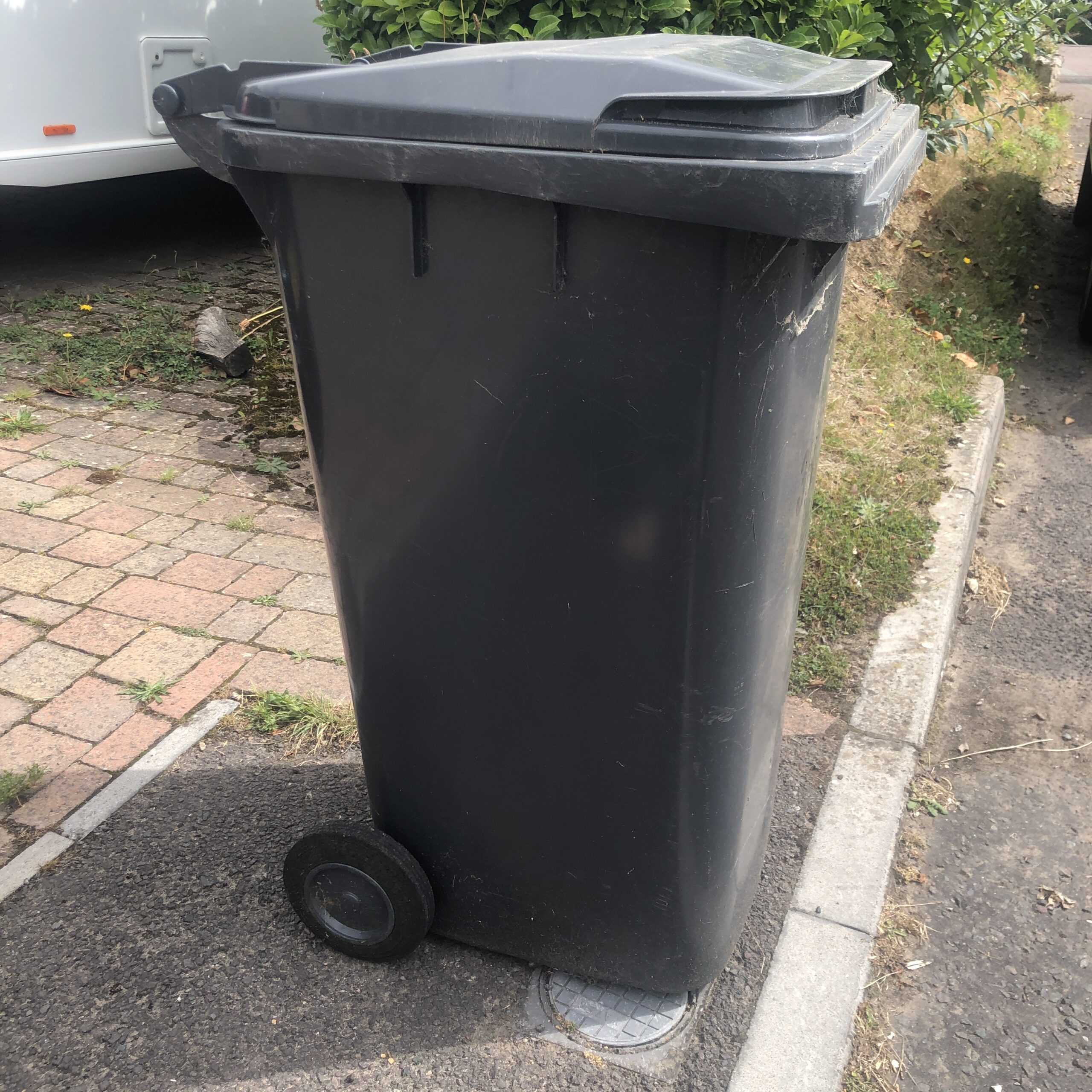
This is our bin. So far, so dull.
This is the first time we've put it out for the bin men (bin people?) this year (18th August).
Very much NOT sharing this to be a smug wanker (well, only a teeny bit) AND very much aware of the privilege we have to be able to do some of the things that mean we produce less waste. But I wanted to share some of the things we've done to help get to this point.
Some points to note:
- We're a family of 4 people, 1 dog, 1 tortoise and some chickens
- Our kids are 11 and 13, so no nappies and other endless small baby/toddler shite to deal with
- Our local authority doesn't collect food waste
- Our local authority does however collect a wide range of other stuff for recycling including most rigid plastics and tetrapaks
- We have a garden so have space for food composter
- We're in a position to be able to afford to buy organic and zero waste, I know not everyone is
- This has been an ongoing journey for the best part of 10 years
Here's some things that have made a big difference:
1. Composting our food waste
I like to think I'm pretty hot on unnecessary food waste, but there will always be the egg shells, tea leaves, banana skins etc (yes, I know, if I was a 'real' environmentalist I wouldn't eat eggs, and would make some kind of nutritious pulled banana skin curry for tea). This one step reduced our waste by at least 25% (and makes for way less smelly bins!)
As stated above, Wiltshire Council doesn't collect food (FFS ), so for years we have had a Green Johanna from Great Green Systems Ltd (Wiltshire residents can get a discount subsidised by the council). This can take all food waste including meat and fish and cooked food.
Other options for food waste composting at home are bokashi bins and wormeries. (If you're interested, there's more about each in this podcast episode here and this blog post here)
2. Recycling what we can
Our council (despite the food waste crap-ola) are pretty good on what they collect.
Double check with your local authority what you can put out for kerbside collection and what you can take to the recycling centre (aka The Tip)
3.Getting a weekly organic fruit and veg box from Riverford
(with full acknowledgement of the fact that not everyone can afford to do this).
When I forget to order, the volume of stretchy plastic is noticeable way more.
Riverford have worked really hard on a) reducing packaging full stop, so lots of stuff just comes naked in the box; b) using paper and cardboard for things like potatoes and punnets of soft fruit; and c) transitioning to home compostable plastic for anything that needs it.
4. Reducing single use plastic by buying the biggest sizes possible
eg. for yoghurts, we get the 500ml pots and my husband takes some to work in a pot/pouch (Nom Nom Kids pouches are BRILLIANT for kids). Yes, I know we could/should make our own. I've tried and failed on many occasions, and it's one thing too much at the mo.
And for crisps we buy the share bags and just portion out onto plates/into bowls/lunchboxes. Again, places like Nom Nom Kids have some cute little sealable pouch things you can use for lunchboxes.
5. Shopping zero waste when we can
(again, I know not everyone can afford to do this)
There is a fab zero waste shop in the next town from us, which we use if we are visiting.
The rest of the time I order from Good Club and get staples like pasta, rice, dried fruit and lots of delicious snacky type stuff like smoked nuts (snigger) and white chocolate buttons delivered to our door to be decanted into pots of varying aesthetic tendencies (some IG worthy glass mason jars, some tatty tupperware stained with tomato sauce).
6. Collecting up and recycling our flexible plastic
Up until last year, we were collecting our 'stretchy plastic' - so things like bread bags, bags from fruit etc etc - and taking them to the supermarket carrier bag collection points.
Recently many of the supermarkets have introduced (and some have already discontinued!) 'flexible plastic' recycling schemes. So any plastic that can be scrunched or stretched, including crisp packets, sweet packets, biscuit wrappers etc can all go in there.
I'm on the fence about this and looking for more info about what is actually happening to it, but there's no doubt it's helped to reduce our landfill waste.
7. Making bread and snacks
(I know not everyone can be arsed to do this/wants to do this/has the time to do this)
We invested in a bread maker a few years ago and I love it. It's used multiple times a week to make bread, rolls and pizza dough.
I really like baking, and bake pretty much all of our biscuits, cakes and snacky type things (I tend to bake double batches and freeze what won't be eaten in time)
8. The usual suspects
Obviously the usual refillable water bottles and coffee cups for out and about, as well as taking a reusable shopping bag everywhere so I limit the chances of me being 'that person' at the checkout who refuses to take a bag and is juggling (and dropping) what is realistically way more shopping than one person can carry with their actual hands.
9. Buying most things secondhand
Might not be an obvious one, but saves on lots of non-recyclable packaging!
10. No kitchen roll
This one took ages and met some resistance from others in the family! We now have a basket on the side with some reusable wipes (leftover Cheeky Wipes UK) from when the kids were little, and use these for napkins if we're eating something messy. If stuff gets spilt/needs wiping, we use these/tea towels (depending on how big the spill is...) and then chuck straight into the washing machine.
11. Dog poo wormery
Dog poo collected in home compostable bags and we have a dedicated dog poo wormery wheelie bin which I chuck the poo and ignore (haven't had to empty it (thankfully) after 2+ years and trying not to think about what we'll do with it when it does)