Homepage – blogs – Page 2 – Sustainable(ish)

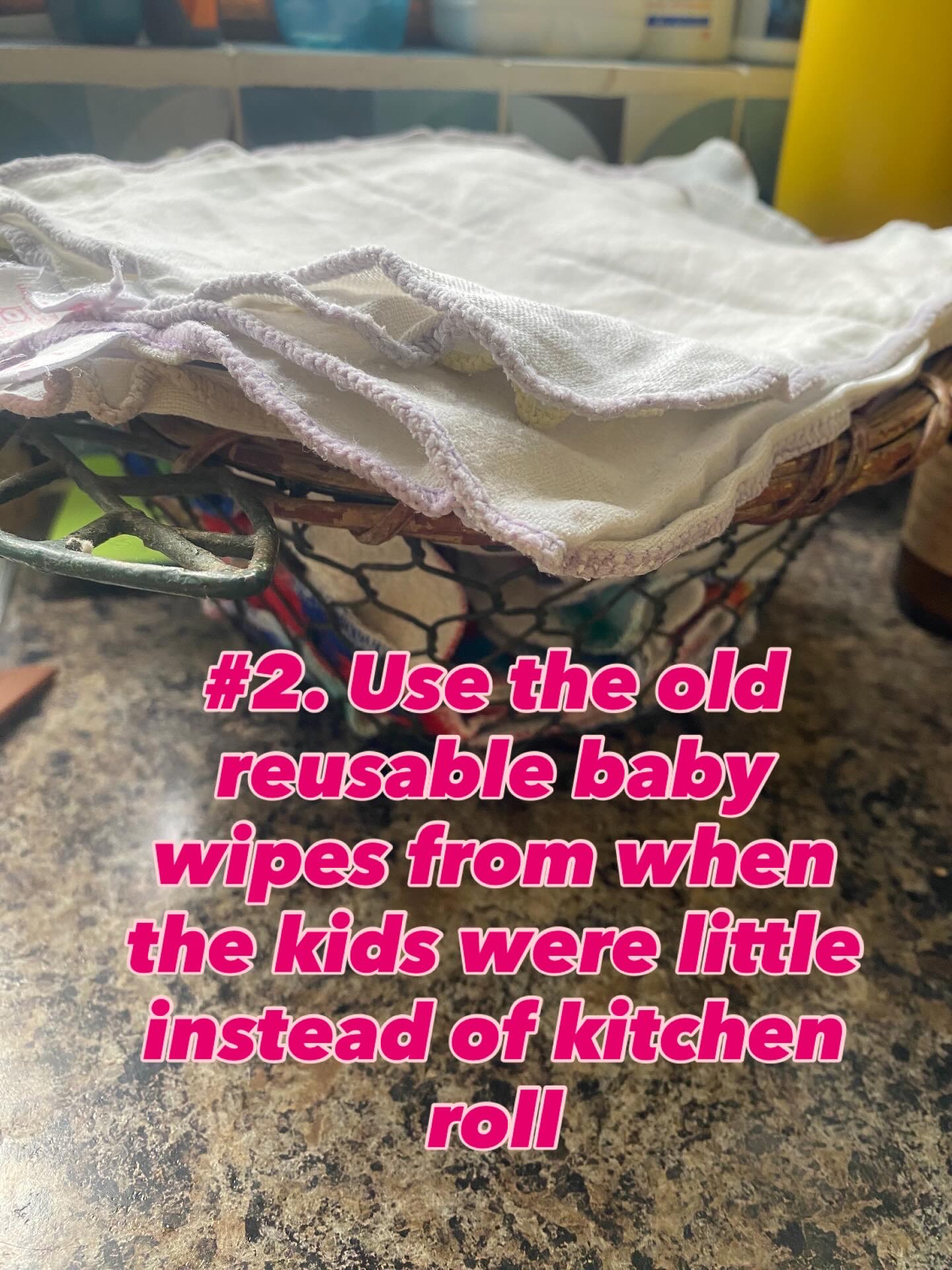
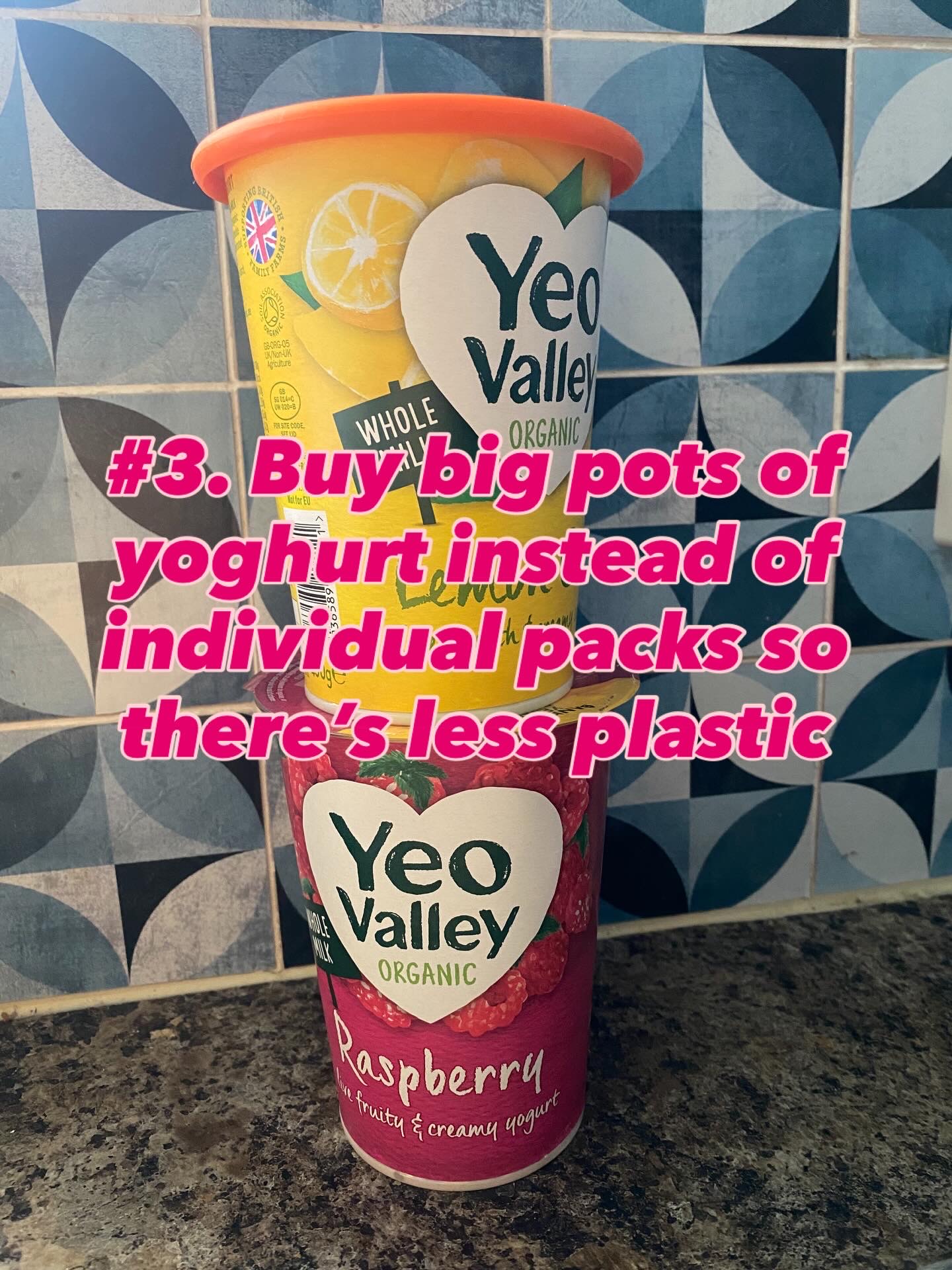
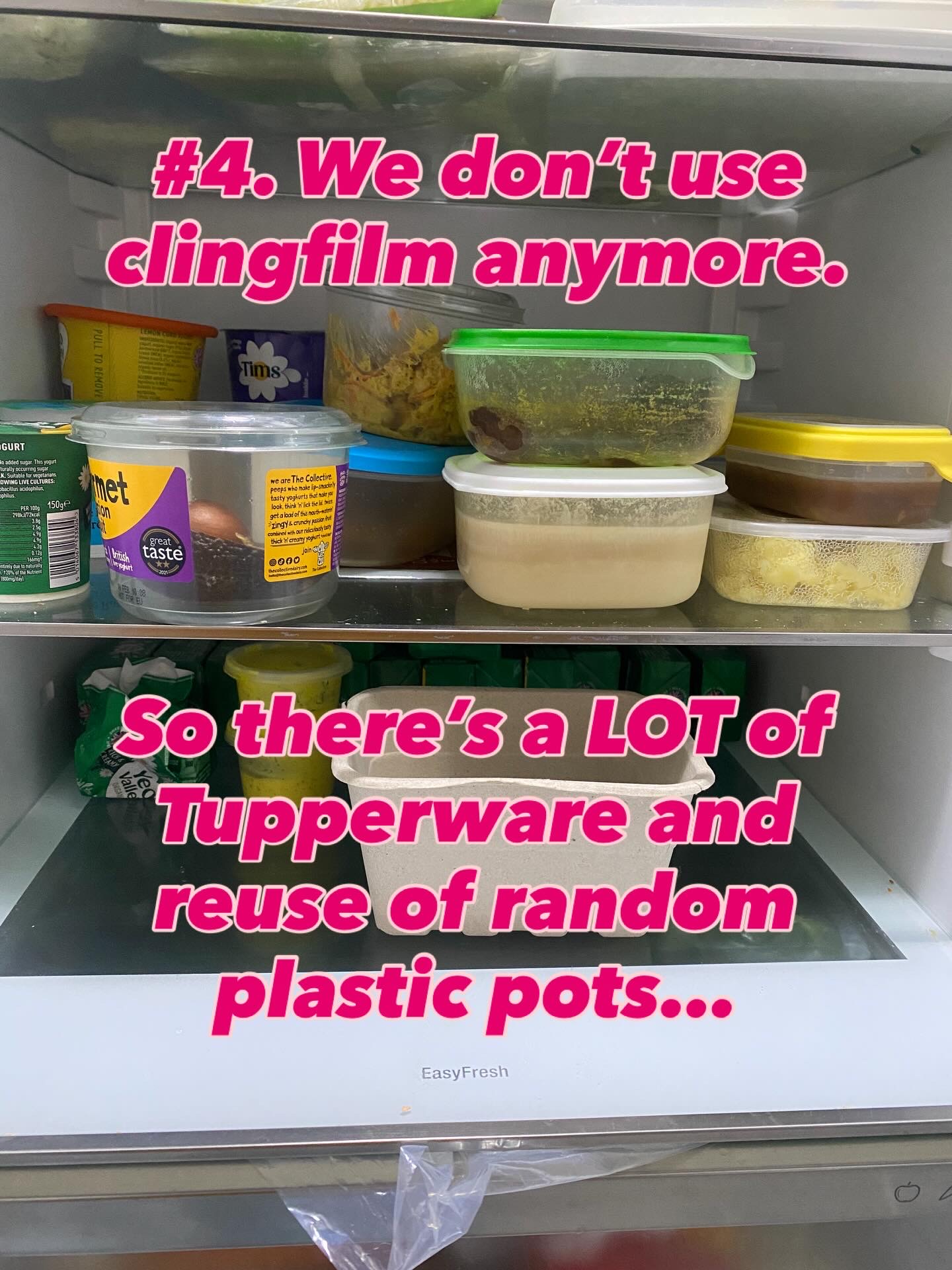
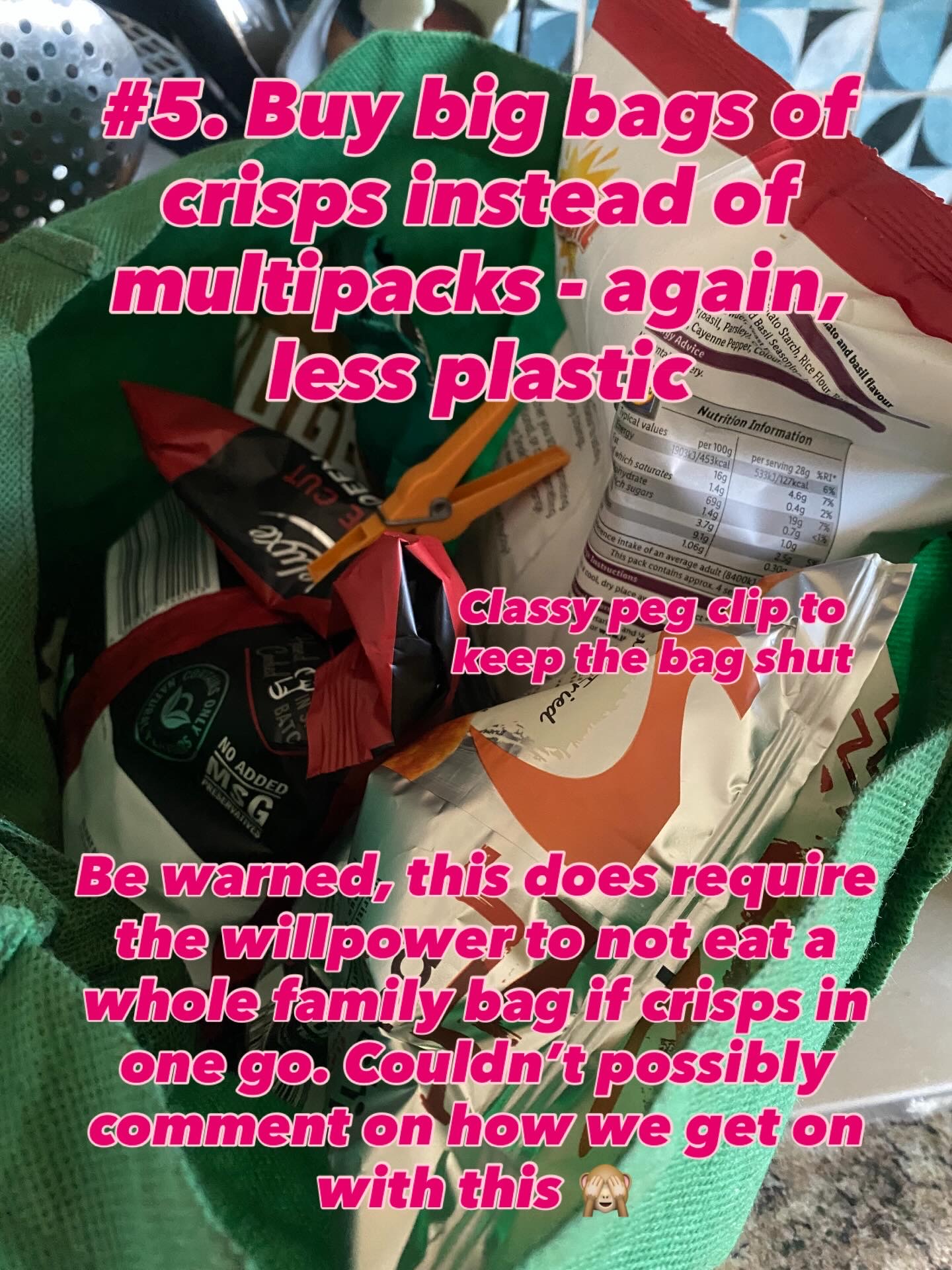
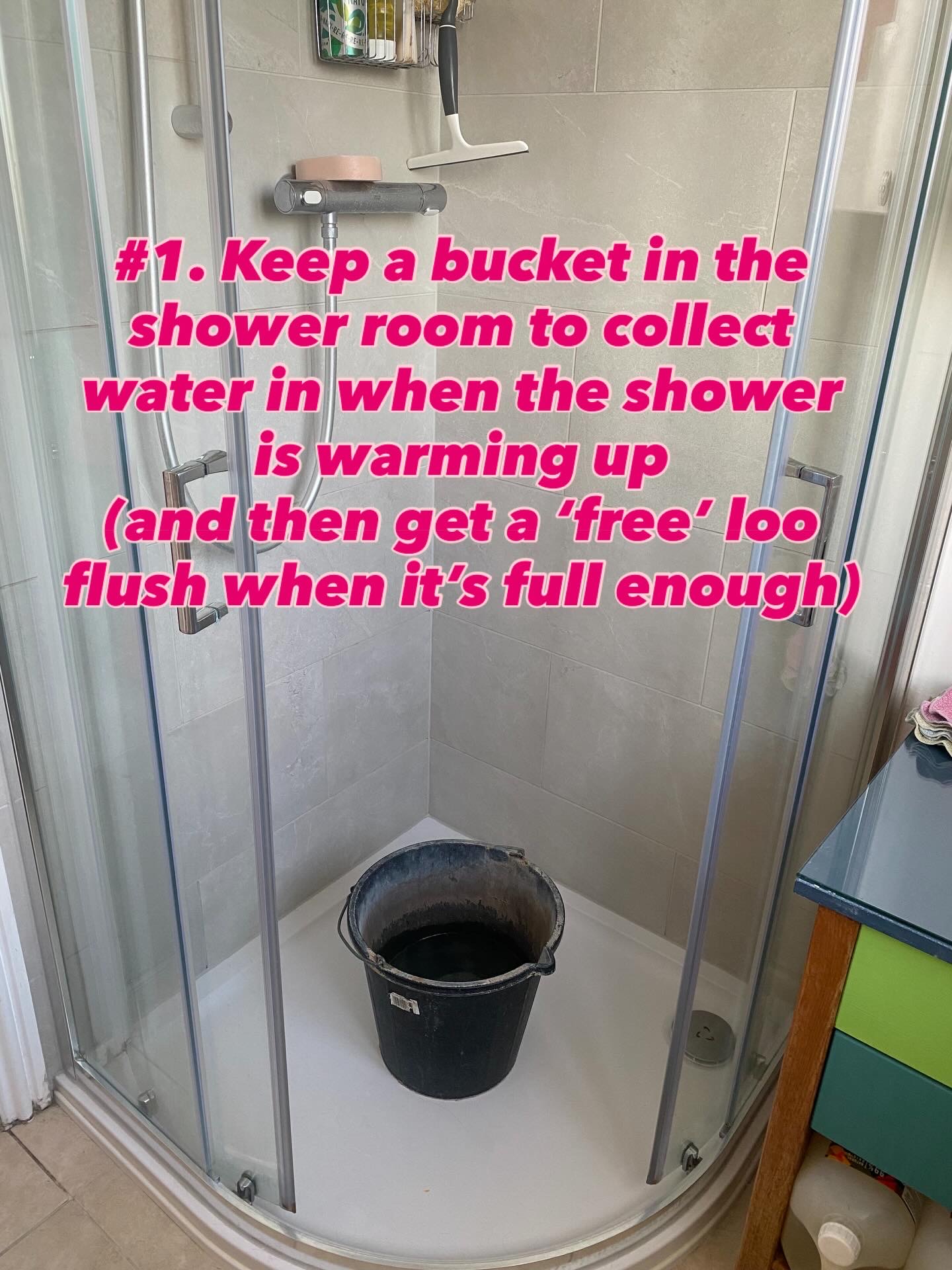
Five things we do that I forget aren’t ‘normal’..!


I shared these five things on Instagram and the post went a bit mad, getting over 60,000 views (way more than my stuff ever usually gets!).
So I figured it was probably worth saving them for posterity over here on the blog.

The context is, that there are Sustainable(ish) things that we do at home, that have become normal for us, so I don't really give them much thought. Until a 'normal person' comes round to our house, and then I'm suddenly reminded that they aren't really quite such normal things to do..!


Please say it's not just me!
Share your 'not normal normal things' below!

JOIN THE SUSTAINABLE(ISH) COMMUNITY!
Join over 6000 subscribers to the Sustainable(ish) weekly(ish) newsletter - get tips, ideas, and inspiration for imperfect eco-action, and all the Sustainable(ish) latest news, straight into your in-box!


[193] – The Power of Swapping with Samantha Drury Shore from Sustainable Devizes

I can't wait for you to dive into this week's episode with Samantha Drury Shore who is the Chair of Sustainable Devizes, not too far from me in Wiltshire, and who has spear-headed their brilliant swap events that now run on a regular basis. Sam shares with us how they got started with their first event and shares her experiences of what works for these kind of events, and the nitty gritty of the logistics and organising.
It's another wonderful example of, in the words of listener Tamasin, "perfectly normal people discovering they can change things". I found it really inspiring and despite being someone who really isn't good at, or particularly enjoys, organising events, it's really got me fired up and thinking about whether I can persuade a couple of friends to help me organise something locally!

Samantha Drury Shore


LISTEN...

[192] – AI, the internet, and the environmental impacts, with Tam Hussey

Is AI bad for the planet?
Should I feel guilty if I use ChatGPT?
What is the carbon and water footprint of an AI search?

These were some of the questions I was looking for answers for when I posted on Linked In a while back. I got a lot of great replies, and it turns out there's a LOT of information out there. But oh my goodness it's confusing!

In this episode I'm chatting to Tam Hussey, who has a background in digital strategy and now runs her own strategic consultancy, Halo By Design, utilising behaviour change principles to help companies meet their sustainability targets. We dive into some of the facts and figures, looking at where the biggest impacts come from with internet usage, and some of the things that we can do to reduce our own digital footprints, and influence wider change as well.

For full disclosure, some of the editing of this podcast, the generation of transcripts, and some of the short clips I share on social media are all done with the assistance of AI. Which feels hugely hypocritical, but I guess comes down to the mindful and targeted use of it..?!

Tam Hussey


LISTEN...


USEFUL LINKS:

[191] – Ch-Ch-Ch-Changeprint! With Isabelle Sparrow from Carbon Copy

I think we're all pretty familiar with the term carbon footprint, but there's a new kid on the block when it comes to talking about the full impact of the actions that we take when you come together.

Isabelle Sparrow is Head of Comms, and the podcast host, at Carbon Copy - a platform that champions collective action, and the power it has to help turn our individual concern about the climate into a collective impact.
In this episode we chat about what collective action is, how you can join in if you're not someone who likes joining in, and how we've all got something to offer. And we also dig into the new concept that Carbon Copy have created, called the Changeprint - here's the explanation of what that is from the Carbon Copy website: "A Changeprint is the collective impact created when you join with others to make something happen. While a carbon footprint is about doing less harm, a Changeprint is about doing more good. It’s a positive approach to addressing the climate and nature crisis, centred on the place and the people around you".

If you are ever in need of a spot of inspiration for practical do-able projects that work in local communities up and down the country, do check out the Carbon Copy website - there are literally hundreds of examples on there, and each of them has had their Changeprint added on, to give an idea of the sum of the different impacts that they have had on their local community and on the environment more broadly. 

I love the concept of the Changeprint - I'm going to think about how I can introduce it into my Carbon Literacy courses, and also how I could apply it to this podcast; to the Sustainable(ish Clubhouse - my membership community - which is re-launching soon, watch this space; and to all my Sustainable(ish) work.

Photo of Isabelle Sparrow

Isabelle Sparrow


LISTEN...


USEFUL LINKS:

  • Carbon Copy
    -

[190] – The Big Plastic Count (join in!) with Daniel Webb from Everyday Plastic

Today we are diving into all things plastic, and specifically counting plastic with Daniel Webb, founder of Everyday Plastic and the drive behind The Big Plastic Count.
Longer term listeners might have noticed that I am mildy obsessed with people's back stories and one of my first questions is always 'how did you get here'. I'm genuinely fascinated to hear the journey that people go on to get to the point they're at, and Dan has the most amazing back story..! And it's not just Dan's back story that is super interesting, there's loads of stats and facts in this chat about plastic, and the thorny issue that it has become, not only in terms of it's environmental impacts, but in terms of health, and also social justice.
It's a brilliant chat - I hope you enjoy it. And there's a very clear call to action at the end, which, spoiler alert, is to sign up for the Big Plastic Count, and get all your friends and colleagues to as well!

Photo of Daniel Webb

Daniel Webb


LISTEN...


USEFUL LINKS:

  • Everyday Plastic
    -

[189] – Climate Fresk (and friends) with Ash Goddard

Could you really explain climate change to your kids, or to your nana if you needed to?
By and large, I think the vast majority of people are aware of climate change, understand that it means the planet is warming and that it's bad, but if pushed for detail beyond that, we might struggle.
Climate Fresk is an interactive card based workshop that invites participants to uncover the science of climate change and it's impacts, by working together, and then holds a space to unpack some of the emotions that might come with this new understanding, and then moving on to look at solutions and things we can do. It's a concept that started in France, and has now had over 2.3million participants worldwide, and what I really like about it is that we can all get involved. You can join a workshop online, or there might be one happening in person locally to you, and then you can quickly move on to becoming a facilitator and delivering the workshop in your own community or workplace.

In today’s episode I’m chatting to Ash Goddard from Climate Clarity who is one of the most experienced Fresk facilitators in the UK, who also facilitates a whole host of related workshops such as the Biodiversity Collage, and the Adapting to Climate Change workshop. I've been lucky enough to attend a couple of Ash's workshops, and he is a brilliant facilitator -who makes it look easy. And while we might not all be able to be as good as Ash, at least not straightaway, I love the fact that anyone can start to deliver the Fresk in their own communities, schools or workplaces pretty quickly, and I hope that maybe a few people who listen in to this episode might be tempted to join a Climate Fresk, and then even take the next steps to spread the knowledge to people they know.

Picture of Ash Goddard

Ash Goddard


LISTEN...

Are you going to do a bit of investigating into your money,
and your current accounts and savings after listening?
Or have you already moved your money?
Do let me know!

[188] Money, money, money! With Lisa Stanley-Mann

Money makes the world go around, or so the saying goes. But did you know that YOUR money, might be making fossil fuel companies go round (aka fund them!), without you knowing?
Do you want a few bonkers stats?
- The “Big 5” UK high-street banks – Barclays, HSBC, Santander, Lloyds andNatWest – have financed the fossil fuel industry with more than $556 billion between 2016 and 2023 (1)
- In 2023 alone, they provided $55 billion to fossil fuel companies (1).
- For every £10 you put into your pension, £2 is invested in deforestation (2).

In today’s episode I’m chatting to Lisa Stanley-Mann, from Good with Money. We dive into all things money, and more specifically, the power of our money, and what it might be being used for when we think it’s all tucked up nice and safe and innocently in our bank accounts or pensions.
I was convinced that Lisa had been on the podcast before, but I scrolled back through the archives and couldn’t see an episode, someone please correct me if I’m wrong! But Lisa and I have previously chatted ‘off air’ quite some time ago as it turns out, when I hosted some podcasts for Good With Money – we got chatting about the 2016 craze that is/was sweeping the internet at the time of recording, and that I was blissfully unwaware of as I’m not cool enough! Inevitably I hopped straight onto the bandwagon pretty much as soon as my call with Lisa ended, and if you’re in any way interested (it’s genuinely not that interesting, so I won’t be offended if you’re not!), I did my own 2016 post – I’ll pop a link to it below if you want to have a nose.

PS. We should have said this in the chat, but hopefully it's blindingly obvious that I'm not a financial advisor, and Lisa isn't either! Do take proper professional advice before moving your money.

References:
(1) https://makemymoneymatter.co.uk/wp-content/uploads/2025/03/Banking-Guide-2025.pdf
(2) https://makemymoneymatter.co.uk/wp-content/uploads/2025/03/Green-Pensions-Guide-2025.pdf

Photo of Lisa Stanley-Mann

Lisa Stanley-Mann


LISTEN...


USEFUL LINKS:

  • Good With Money
    -

[187] No Crap Parties with Charlotte Mason-Curl

In this episode, I'm chatting to Charlotte Mason-Curl, who is the founder of No Crap Parties and the Kids Party Pact campaign. Charlotte has a background in marketing and comms, and not only does this help to explain how she's done such a bloody great job with getting her message out there, also means she's written herself a really good bio. I had to write myself a bio when The Sustainable(ish) Living Guide was published, and I found it really cringe-inducingly difficult, but Charlotte's done a fab job, so I'm just going to copy and paste her words as an intro:
Charlotte Mason-Curl is a marketing and comms consultant and the person behind The Kids Party Pact. She believes children’s parties are overlooked as a place to spark change. What started as a few Instagram posts has grown into a campaign that’s reached millions of parents. Thousands have now changed how they approach gifts and party bags, sending ripples through their communities. The campaign has secured National Lottery funding and featured in The Times, BBC Newsround, Positive News and more. With 13 years of marketing experience and a sharp understanding of behaviour change, Charlotte builds campaigns that cut through. Powered by strategy, creativity, and a fierce commitment to leaving the world less of a mess for her kids.

How is that for kick-ass!

In the first episode of the re-boot, I dived into the debate around individual change vs system change, and how it can feel really hard as an individual to feel like you can change 'the system;,whatever that really is, and what it means. And then in the last episode I was chtting to the fabulous Nick Oldridge who is going all out for getting MPs on board with the urgency of aciton on the climate crisis, to effect system change from the government, which is ultaimtely what is needed.
But for systems to change, we need people to recognise where things are broken, and to do something differently, which starts to shift social norms. This is somethign that Charlotte is doing brilliantly. She saw that not only was there an issue around kids parties in terms of plastic tat, and waste, and ultiamtely I guess, excessive consumptiuon, but that most parents aren't really that comfortable with it, but well feel like everyone else must be on baord with it, so we don't say anything. 
Charlotte says at one point in the podcast, that it's 'just a few party bags', but it's absolutely not. What Charlotte has done, really cleverly, is tapped into her knowledge of behaviour change and comms, and utilised it brilliantly, to help make it really visible that it's not just you, and that you're not alone, and that thousands of other parents would love to do kids parties differently.  
And if you're not a parent, or if your kids are out of the party phase, there is still so much in this episode for you - so much of what Charlotte has done can (and should be!) applied to other campaigns and movements, so while you're listening have a think about what social norm you would love to challenge, and what you might be able to replicate from what Charlotte is doing. 

Enjoy!

Photo of Charlotte Mason-Curl

Charlotte Mason-Curl

No Crap Parties logo
Kids Party Pact logo

LISTEN...


USEFUL LINKS:

  • No Crap Parties
    -

[186] The National Emergency Briefing with Nick Oldridge

In this episode, I'm chatting to Nick Oldridge, founder of Climate Science Breakthrough, and co-founder of the National Emergency Briefing. What Nick has done with both of those projects, as you will here, is incredible, but I'm also really fascinated in his back story and his journey to where he is now (side note, really think I need to do an episode on insurance as a lever for climate action!).

I ummed and ahhed about whether to publish this episode so early in the re-launch, as (spoiler alert) some of it is pretty bleak, almost right out of the gate. I'm a big fan of focussing on action and the things that we can do, and I'm very aware that confronting the reality of where we are can be overwhelming and paralysing. However, as Nick says, I think it's important that we don't hide from that reality, and that we find a way to channel our anxiety into action, and use it as motivation to keep taking the next steps. 

The Climate Science Breakthrough videos are brilliant - I've linked to them all below. They're all just 4 or 5 minutes long, and do that really clever thing where they're delivering a pretty brutal message, but somehow making you laugh at the same time. 

The National Emergency Briefing videos are now all online - I'm working up the courage to watch them if I'm totally honest, and trying to figure out a way to maybe host a 'watch party' so we can all be in it together. If you're interested in that, let me know!
I do think it's important that the videos are watched and shared and that we all understand quite what is at stake. But even more important I think, is that the Briefings result in action, ideally from the Government, but we 'ordinary people' will need to take action to make that happen. I've linked below to the Take Action page, the good news is that all of them can be done from the sofa! 

In the first episode of this podcast reboot, I dived in a little bit into the individual change vs system change debate. And as an individual, system change often feels like this nebulous thing that we agree needs to happen, but that we're not quite sure how that happens, or the role that we can play. The National Emergency Briefing is a route to system change, and gives us really clear ways that we as individuals can get involved. And as I said, they're not big asks, doing all of them would take less than 10 minutes and you don't even need to leave your house. And in the podcast, Nick shares that apparently once MPs receive around 20 emails (from different people!) on the same subject, it makes them start to sit up and pay a bit more attention. That number feels do-able - how many people do you know local to you, who you might be able to encourage to send your MP an email? Finally, a quick mention of the Crowdfunder, which at the time of this podcast dropping, is at over £70,000 and nearly halfway to the target. Frustratingly (but good news for the crowdfunder!) the cheaper rewards have all sold out, but that doesn't mean you still can't donate whatever amount you might feel able to. And as Nick says in the podcast, times are tight, and if you aren't able to donate, please do share it on your social feeds.
Nick Oldridge


LISTEN...


USEFUL LINKS:

[185] Is it all b*ll*cks?

Well this is exciting isn’t it? As it turns out I was wise to say never say never when I said back in April 24 that that was probably the last ever Sustsainable(ish) podcast episode, because I’m back! And in this first episode back after a looong old break, I’m answering a pretty fundamental question… is it all just bollocks?
Does individual action really matter, or is it, in the words of Green party leader Zack Polanski in a 2025 interview just bollocks.

Tune in to hear my thoughts, as well as my explanation for where I've been and what I've been doing since the last episode the best part of two years ago, and why the podcast is back!

Enjoy!


LISTEN...


USEFUL LINKS:


I'd love to know what you think, and where you sit on the 'individual change vs system change' debate. Also do let me know your thoughts on the podcast’s return, and whose story you’d love to hear.